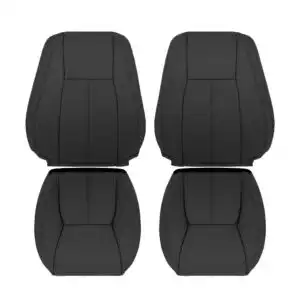


Material: Engineered for OEM Fit, Durability & Performance
Components Designed for Comfort, Precision, and Easy Installation
Seat covers are not defined by appearance alone. Their true performance is determined by how accurately they fit, how they install, how they respond to daily use, and how well they hold their shape and comfort over time. At United Seat Factory, materials are chosen not for convenience or cost reduction, but for predictable performance and long-term reliability.
Every material we use – leather, vinyl, cloth, Alcantara, foam padding, thread, perforation layout, and attachment hardware – is selected with OEM-style standards in mind. These components must work together as a system. When they do, the result is a seat cover that installs cleanly, performs consistently, and maintains a factory-correct appearance throughout its service life.
This page explains the materials we use, how they are sourced, and why each component matters.
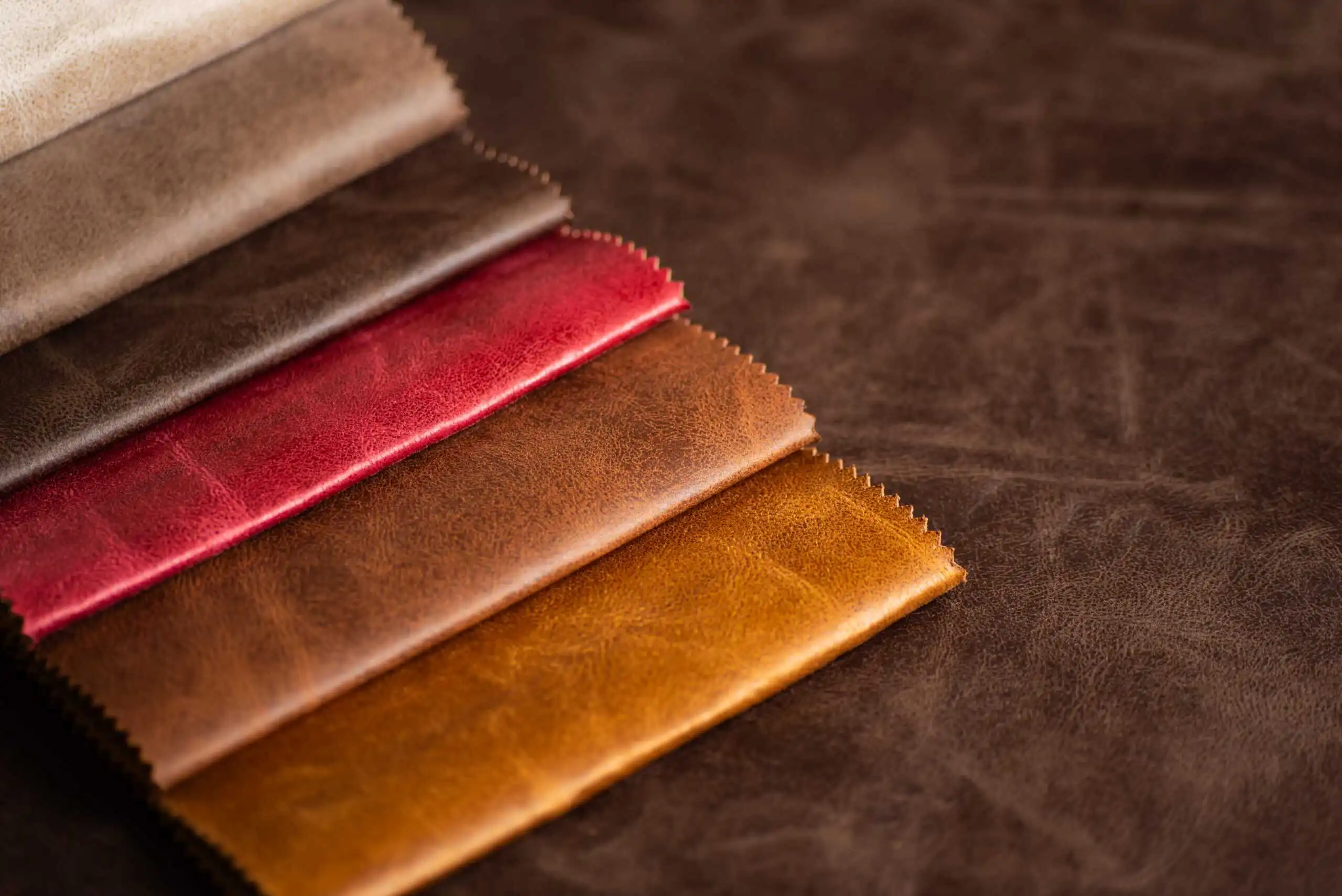
Genuine Automotive Leather
We use genuine top-grain automotive leather sourced from trusted suppliers in the United States and Brazil, regions known for consistent hide quality and established automotive tanning standards.
Factory-Dyed Leather, Not Surface-Dyed
All leather used in our manufacturing process is dyed at the tannery, not dyed or painted after production. Factory dyeing allows pigment to penetrate the hide evenly, resulting in:
- Uniform coloration throughout the leather
- Reduced risk of surface cracking or peeling
- Improved resistance to wear in high-contact areas
- Better long-term color stability
We do not apply aftermarket dyes to finished seat covers. Surface dyeing can compromise durability and lead to uneven wear over time.
Scratch Resistance and UV Stability
Automotive seating is subject to constant friction, pressure, and sunlight exposure. The leather we use is treated during production to be:
- Scratch resistant, reducing visible wear from everyday use
- UV resistant, helping prevent fading and discoloration caused by sun exposure
These protective properties are built into the leather itself rather than applied as temporary surface treatments.
Top-Grain Construction for Predictable Performance
Top-grain leather retains the natural grain layer while removing only surface imperfections. This provides:
- A factory-correct texture and appearance
- Controlled stretch during installation
- Long-term durability without excessive stiffness
Predictable stretch behavior is essential for clean installation and proper fitment, especially on bolsters and contoured seating surfaces.
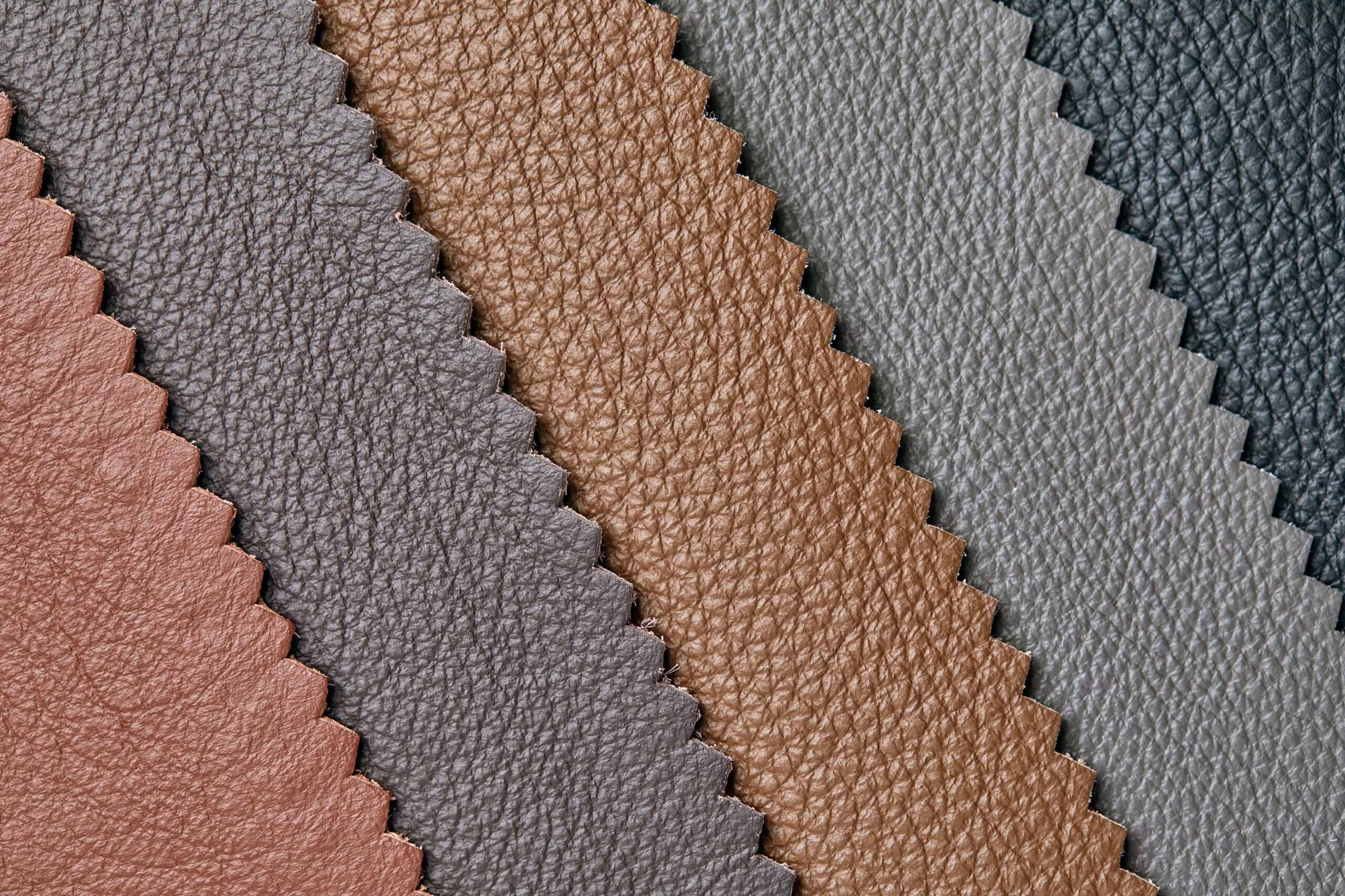
Automotive-Grade Vinyl
Vinyl remains a core material in many OEM interiors, particularly in work vehicles, fleet applications, and combination leather/vinyl seating designs. We use automotive-grade vinyl, not general upholstery vinyl.
Designed for Automotive Conditions
Automotive vinyl must perform in environments that include temperature fluctuations, UV exposure, and frequent contact. Our vinyl materials are selected for:
- UV resistance comparable to automotive leather
- Abrasion resistance in high-wear areas
- Controlled elasticity to ensure accurate fitment
- Resistance to cracking caused by heat and cold cycles
This ensures predictable installation behavior and consistent long-term performance.
Visual and Structural Consistency
Many OEM interiors combine vinyl with leather or cloth. Our vinyl materials are chosen to visually and structurally match factory textures and finishes, allowing seamless integration within mixed-material interiors.
Fleet and High-Use Applications
Vinyl’s durability, ease of maintenance, and consistency make it particularly suitable for fleet vehicles and commercial environments where reliability and repeatability are critical.
Automotive Cloth Materials
Cloth interiors require precise material matching to maintain OEM appearance and fit. We use automotive-grade cloth materials selected specifically for seat coves.
Performance Characteristics
Cloth materials are evaluated for:
- Resistance to pilling, fraying, and thinning
- Color stability under prolonged UV exposure
- Breathability for occupant comfort
- Compatibility with foam backing and stitching patterns
Incorrect cloth selection can lead to premature wear or poor fitment, even when patterns are accurate.
Model-Specific Accuracy
OEM cloth interiors vary widely by manufacturer and trim level. Maintaining correct weave density, thickness, and stretch behavior is essential to achieving factory-style results.
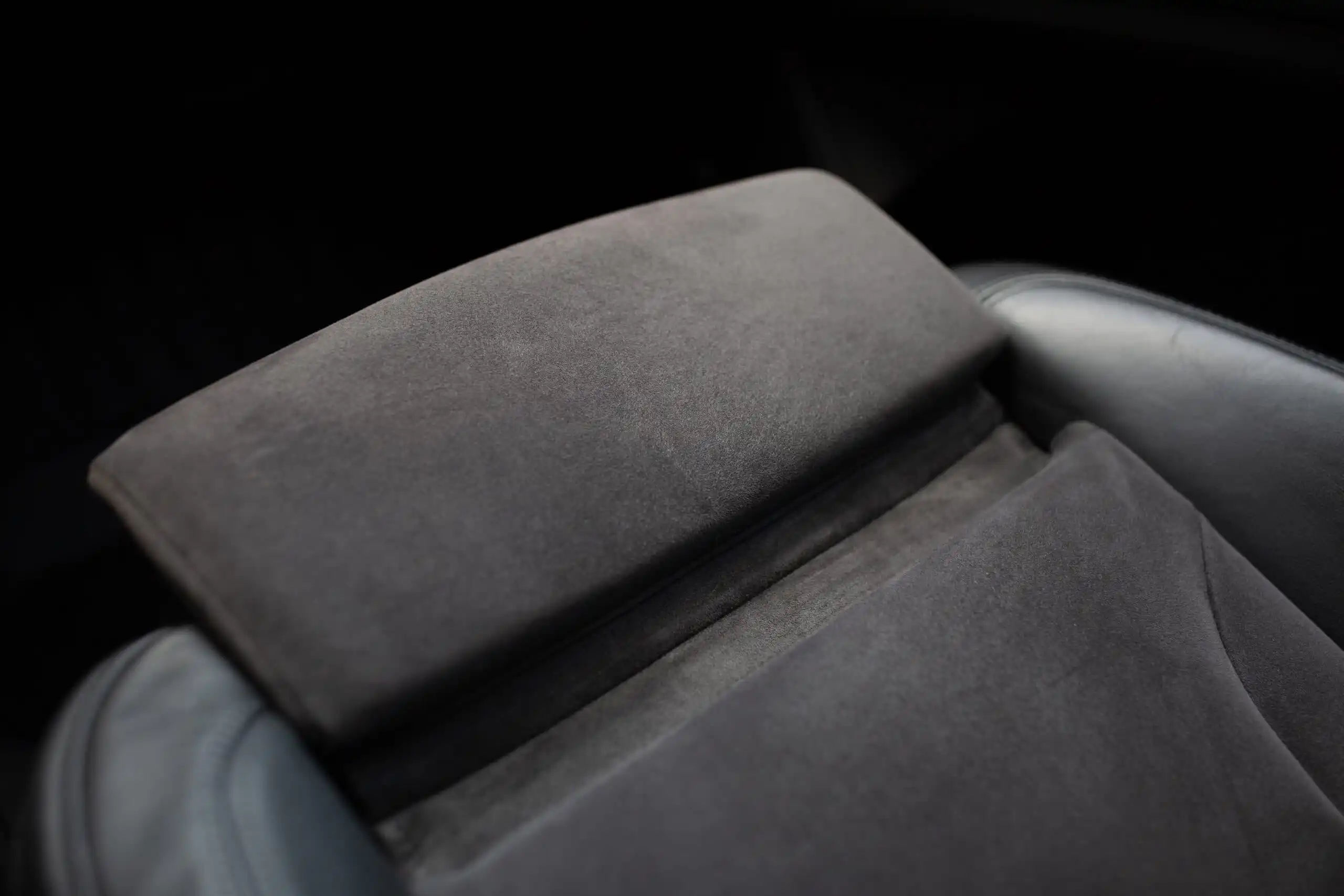
Alcantara and Suede-Style Materials
For premium and performance interiors, we offer Alcantara and Alcantara-style materials where appropriate.
Why Alcantara Is Used
Alcantara is commonly specified in sport seats and premium trims due to its:
- Soft, suede-like texture
- Enhanced grip, particularly in performance seating
- Refined, factory-correct appearance
- Resistance to fading when properly maintained
When used, Alcantara materials are paired with appropriate foam backing and stitching techniques to maintain shape and durability.
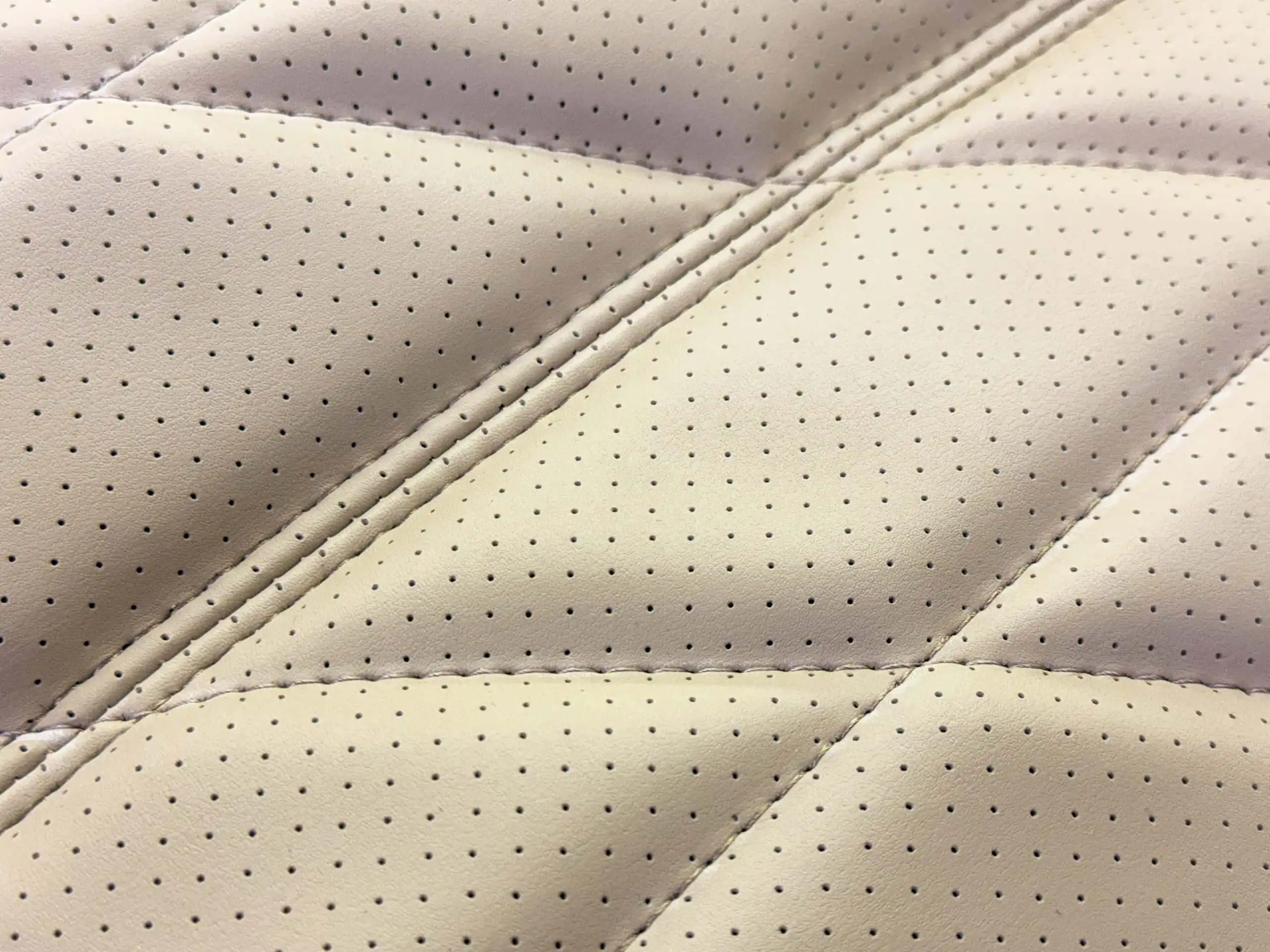
Perforated Materials and Ventilation Compatibility
Perforation is a functional and structural component, not simply a visual detail.
OEM-Style Perforation Patterns
We replicate factory perforation layouts, including:
- Hole diameter
- Spacing and alignment
- Pattern consistency across panels
Correct perforation is essential for compatibility with OEM ventilated seating systems and for maintaining factory appearance.
Functional Benefits of Perforation
Perforated materials support:
- Improved airflow through the seating surface
- Enhanced heat control
- Enhanced moisture management
When paired with ventilated foam padding, perforation contributes directly to occupant comfort.
Foam Padding and Backing
Foam padding plays a critical role in comfort, appearance, and longevity. We glue foam padding directly to the back of many seat covers to provide structure and consistent performance.
Ventilated Foam Padding
For perforated seating applications, we use ventilated foam designed to allow airflow through the seat cover. This supports:
- OEM seat ventilation systems
- Temperature regulation
- Reduced moisture buildup
Foam Thickness Options
We typically use ¼” and ½” foam padding, selected based on application.
¼” Foam Padding
- Preserves factory firmness
- Ideal for tight OEM designs
- Supports wrinkle-free installations
½” Foam Padding
- Adds noticeable comfort
- Helps compensate for minor foam wear beneath the cover
- Commonly used in driver seats and high-use seating positions
Choosing the correct foam thickness ensures balance between comfort, fitment, and OEM accuracy.
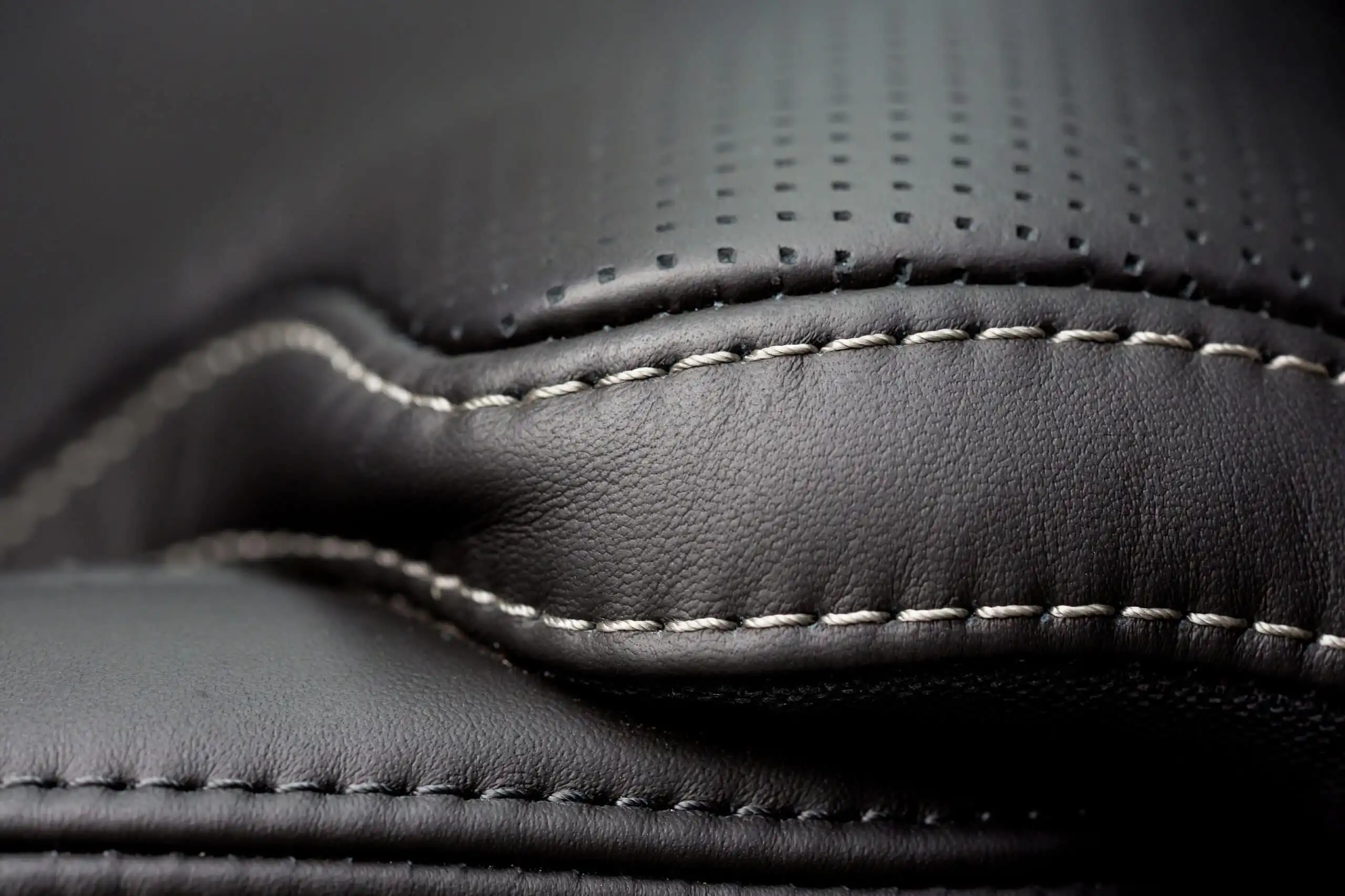
Stitching and Thread Selection
Stitching serves both structural and visual functions in a seat cover.
Automotive-Grade Thread
We use thread engineered for automotive environments, offering resistance to:
- UV exposure
- Temperature fluctuations
- Continuous tension and movement
This reduces the likelihood of seam failure and thread fading over time.
OEM-Style Stitch Layouts
Stitch patterns are designed to match factory specifications, including:
- Seam placement
- Stitch density
- Reinforcement at stress points
Proper stitching is critical in areas such as bolsters and seat edges where wear is concentrated.
Airbag-Compatible Stitching
Many modern seating systems integrate side-impact airbags within the seat structure. In these applications, seat cover stitching must allow controlled release during deployment while maintaining durability and structural integrity during normal use. Where required, we incorporate OEM-style airbag stitching designed to separate predictably under airbag pressure without affecting seat performance during everyday operation.
Airbag stitching is engineered with controlled stitch density, thread selection, and seam placement specific to each seat design. These seams are positioned and constructed to align with factory airbag locations, ensuring proper interaction with the seat’s safety systems while preserving correct fitment, appearance, and long-term reliability when installed correctly.
Attachment Clips and Installation Hardware
A seat cover’s long-term performance depends on how securely it is attached. We use OEM-style clips and fastening systems matched to each seat design to ensure proper alignment and dependable hold.
Importance of Proper Attachment
Correct clips and hardware help:
- Maintain consistent tension
- Prevent shifting or bunching
- Preserve seat contours and alignment
Using OEM-style fastening methods supports cleaner installations and helps reduce long-term fitment issues. Proper attachment allows the seat cover to function as part of the seat structure rather than sitting loosely on the surface.
Materials Designed for Professional Use
All materials are selected with professional installers, upholstery shops, and fleet operations in mind. Predictable stretch, stable backing, and consistent thickness help reduce installation challenges and callbacks.
This approach supports efficiency, repeatability, and dependable results across all order sizes, whether for single replacements or high-volume applications.
Long-Term Performance and Warranty Alignment
Material quality directly affects warranty performance. By using automotive-grade materials across our manufacturing process, we reduce premature wear, preserve fit and finish, and support long-term durability.
Our material standards are intentionally aligned with our warranty policies, reinforcing transparency, accountability, and confidence in every seat cover we produce.
Final Perspective on Material Selection
Materials define the difference between a seat cover that merely fits and one that performs like an OEM component. From leather and vinyl to foam, stitching, and hardware, every element contributes to comfort, appearance, and longevity.
At United Seat Factory, material selection is a disciplined process designed to support professional results, protect your reputation, and deliver consistent performance over time.
Related Products
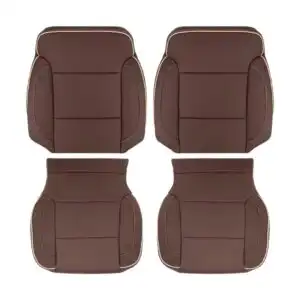
Chevrolet Silverado High Country 2013-2019 | OEM-Replacement Seat Cover